
Toolbox Talks: A Simple Way to Strengthen Safety on Construction Jobsites
Around 90% of companies in the construction industry employ 20 or fewer employees. This can make it very difficult to ensure that employees are receiving the proper safety training, since resources like time and money are often limited. Those tasked with safety compliance usually have other responsibilities, making it hard for them to dedicate the necessary time to safety. However, one easy step that can be taken is the implementation of toolbox talks

How Direct‑to‑Consumer Drug Models Could Impact Employers
The pharmaceutical industry is entering a major transformation driven by two federal pricing reforms: the Inflation Reduction Act (IRA) and new Most Favored Nation (MFN) pricing initiatives signed in 2025. These changes will allow Medicare to negotiate lower prices on many high‑cost medications and tie U.S. drug prices more closely to those in other developed countries. As manufacturers face reduced margins and increasing pressure for price transparency, many are turning to a new strategy: selling medications directly to consumers at cash prices. While this trend is largely aimed at patients, it’s poised to have ripple effects on employer-sponsored health plans.

Changes to Medicare Creditable Coverage in 2026: what you need to know
The Inflation Reduction Act of 2022 (IRA) significantly impacted Medicare Part D prescription drug coverage, and these changes are rippling through employer-sponsored health plans. Employers need to be aware of the new rules to ensure compliance and support their Medicare-eligible employees.
The core of the change: Higher Part D Value
- Increased Out-of-Pocket Cap: Medicare Part D beneficiaries will have their annual out-of-pocket costs capped at $2,100 in 2026 (an increase from the $2,000 cap in 2025).
- Impact on Employer Plans: This increased value of standard Part D benefits means that employer-sponsored prescription drug plans may need to provide richer coverage to be considered "creditable" – meaning the actuarial value of the employer's plan is at least as good as the Part D standard. Some plans that were previously considered creditable may not be in 2026 due to these changes to Medicare Part D.
.png)

.png)
OVD Named One of the 2026 Best Places to Work in Insurance
We’re honored to share that OVD has once again been named one of Business Insurance’s Best Places to Work in Insurance for 2026.

.png)
OVD Insurance listed in Business Insurance’s Top 100 Largest Insurance Brokers in the United States for 2026
OVD Insurance listed in Business Insurance’s Top 100 Largest Insurance Brokers in the United States for 2026

Healthcare Analytics: Triaging vital data signs
Nearly a decade ago, an article was published with the title,"The world's most valuable resource is no longer oil, but data." That statement feels more relevant than ever now. In healthcare, data can drivebetter outcomes, smarter decisions, and cost savings, but only if we understandwhat it's actually telling us.

Common Construction Site Hazards
Construction is in full swing this time of year and jobsites are getting busier every week. Crews are trying to stay on schedule while multiple different trades work in the same area.
.png)
Scaffolding Safety
Scaffolding shows up on almost every job site at some point. It's how crews get to the heights they'd otherwise have no safe way to reach.
.png)
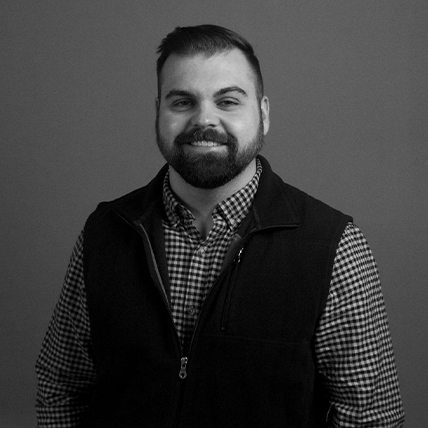
Career Case Study | Austin
Meet Austin - Select Business Manager Austin joined OVD in August 2015 in a claims position and transitioned to the small SBU team in 2017, where he helped service and sell small accounts. As the company grew, so did his responsibilities, and in 2023, he stepped into the Manager role for SBU.

Career Case Study | Rebekah
Meet Rebekah - Employee Benefits & Managing PartnerRebekah joined OVD in 2013, initially planning to go part-time, she took on the responsibility of managing Employee Benefits SBU and working on special projects, particularly around the Affordable Care Act and how the company could support clients through the new regulations.


OVD Success Stories: Personal Issues
An OVD Personal Lines Agent created a consistent line of communication to provide the best pricing, coverage, and service.

OVD Case Study: ACA Compliance Support
ACA Compliance Resolutions save client $600,000 in avoided penalties

OVD Case Study: Contractor Business
Contractor implements safety & compliance action plan ⎯ saves $3M worth of contracts

Manufacturing Dividend
Business Issue
OVD engaged a large manufacturing company with a plan to address their adverse experience mod. Themanufacturer had been with the same agent for over 20 years and had an experience mod of over 1.60for the last 7 of those years. Looking for a fresh approach to claims and risk management, the manufacturerdecided to partner with OVD.
Action Plan
The OVD team worked closely with the client's senior leadership team to develop a plan focused onreversing the trend of increasing workers' compensation costs. The plan included:

New Operation Avoids Unnecessary Expenses
Business Issue
After recently acquiring the divested assets of an automotive components manufacturer, the new management team felt the service level from their large national insurance broker start to decline. At their first renewal, they were hit with a 110% price increase on their property line. The broker blamed the market and advised them to spend more than $350,000 on sprinkler upgrades. Less than a year after acquiring the operation, the team was facing $420,000 of unexpected expenses.

Fire Safety
Background
A multi-state client that is a large restaurant group rolled out Ascend in 2019 with a focus on using the incidents and claims module. Since that rollout, they have seen the benefit using that module and have also deployed the other two modules - audits, inspections, insurance policies, and certificates.
Action Plan: Exploring Audits
Not long after this this client deployed Ascend, OVD began piecing together risk management solutions in partnership with the client and developed a formal service plan. One area this client identified as a problem was the amount of fires they were having in their back of house operations. OVD in collaboration with their risk management team built out a fire safety and prevention assessment within Ascend to audit their back of house fire prevention and suppression systems.

Transportation Summit
Get ready to dive into the future of travel and transit with industry pros at this hands-on summit.

First Aid ,CPR, & AED Training
A hands-on First Aid, AED, & CPR training with ESR Safety. Multiple sessions offiered
September 9
September 10 *The training on September 10th will be in Spanish
September 11
.png)
The Bar Has Moved: What Employers Need to Know About Rising Fiduciary Expectations for Health Plans
Healthcare transparency regulations have reshaped the responsibilities of employers sponsoring health plans. As fiduciary expectations continue to evolve, plan sponsors are expected to take a more active role in overseeing their benefits programs and documenting key decisions.

HR Training Day
Step into a full day of cutting-edge HR and healthcare insights designed to save money, reduce risk, and empower your employees. Walk away with actionable strategies, new connections, and solutions for your organization.